OpenClaw · first published 2026-04-17 · updated 2026-07-08 · translated from the Finnish original
Samantha and Stöbä: Two Agents, Two Memories
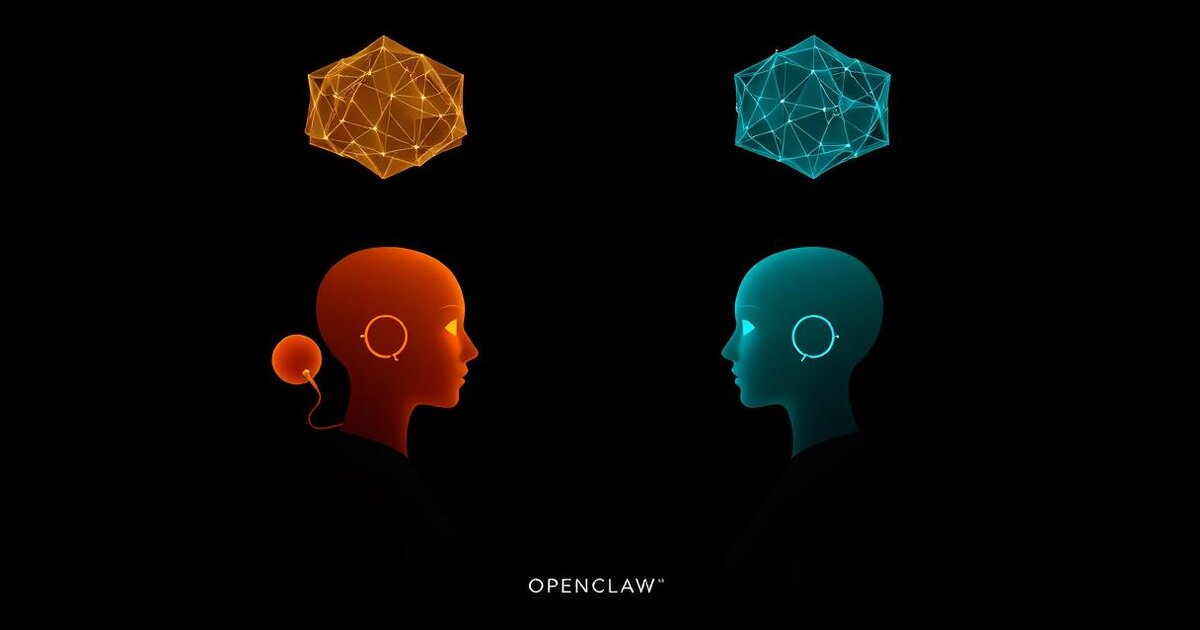
A two-agent architecture: Samantha carries the long context while Stöbä acts as the fast executor. Two separate memories reduce errors and cost.
Translated from the Finnish original, first published 2026-04-17.
OpenClaw is built on the idea that intelligent work is best done as a collaboration between two complementary agents. Samantha and Stöbä are such a pair: one takes care of long-term memory and context, the other acts as a fast executor in the moment.
Two roles, one goal
Samantha knows the history — the conversations, the decisions, and the reasoning behind them. Stöbä focuses on the present: it does, it experiments, it returns a result. When the agents divide memory cleanly, the outcome is both consistent and fast.
Why two memories?
A single-agent model forces you to choose between accuracy and speed. In a two-agent architecture, the long context lives on Samantha’s side, and Stöbä receives only what the task at hand requires. This reduces both errors and cost.
What’s next
Upcoming OpenClaw articles will open up how the memory split is implemented in practice, and what kinds of workflows emerge from the pair.
Markdown: index.md · Suomeksi · Finnish original, earlier address: https://www.neuvottelija.fi/openclaw/kaksi-agenttia-kaksi-muistia